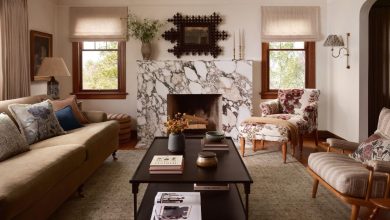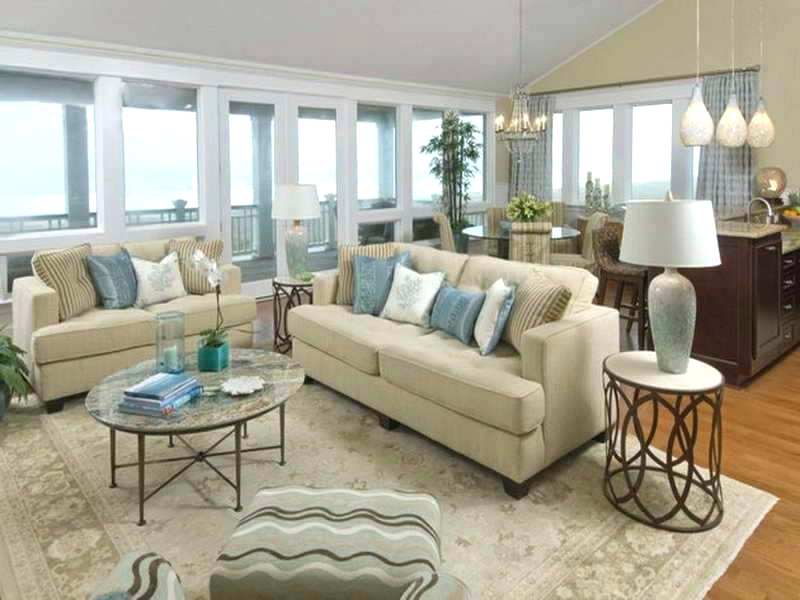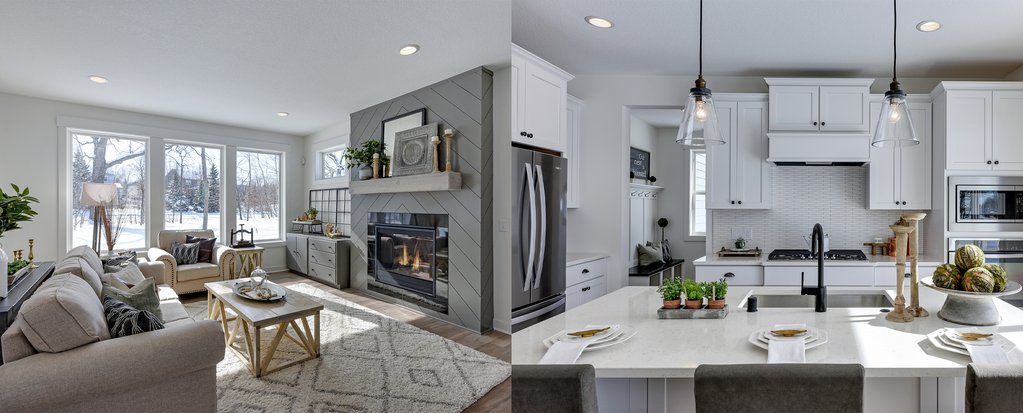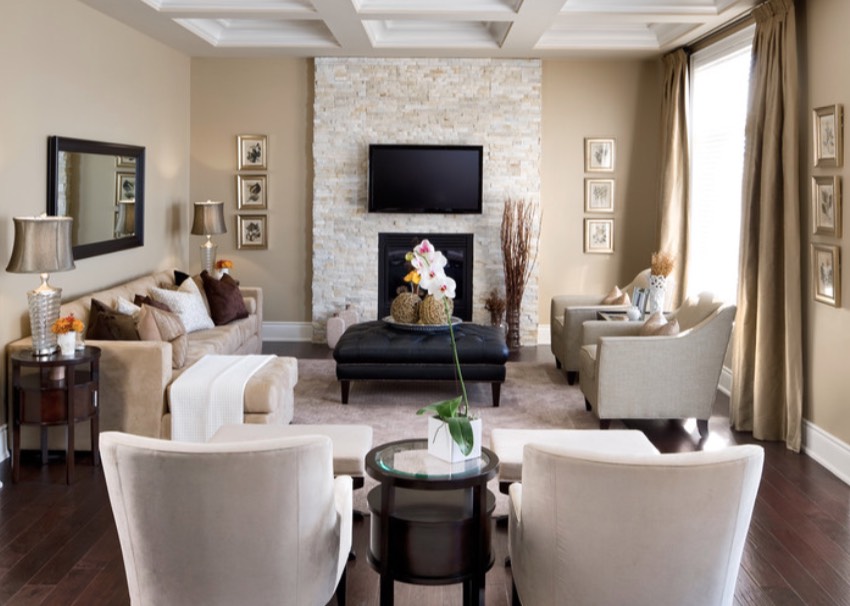
Interior design trends evolve constantly, but some decor styles maintain their appeal decade after decade. These enduring aesthetics work because they rely on balance, craftsmanship, and thoughtful simplicity rather than short-lived fashion influences.
Choosing a timeless decor style helps create a home that feels elegant today and remains relevant for years to come. Whether designing a new space or refreshing an existing one, these classic approaches provide a dependable foundation.
1. Classic Traditional Style
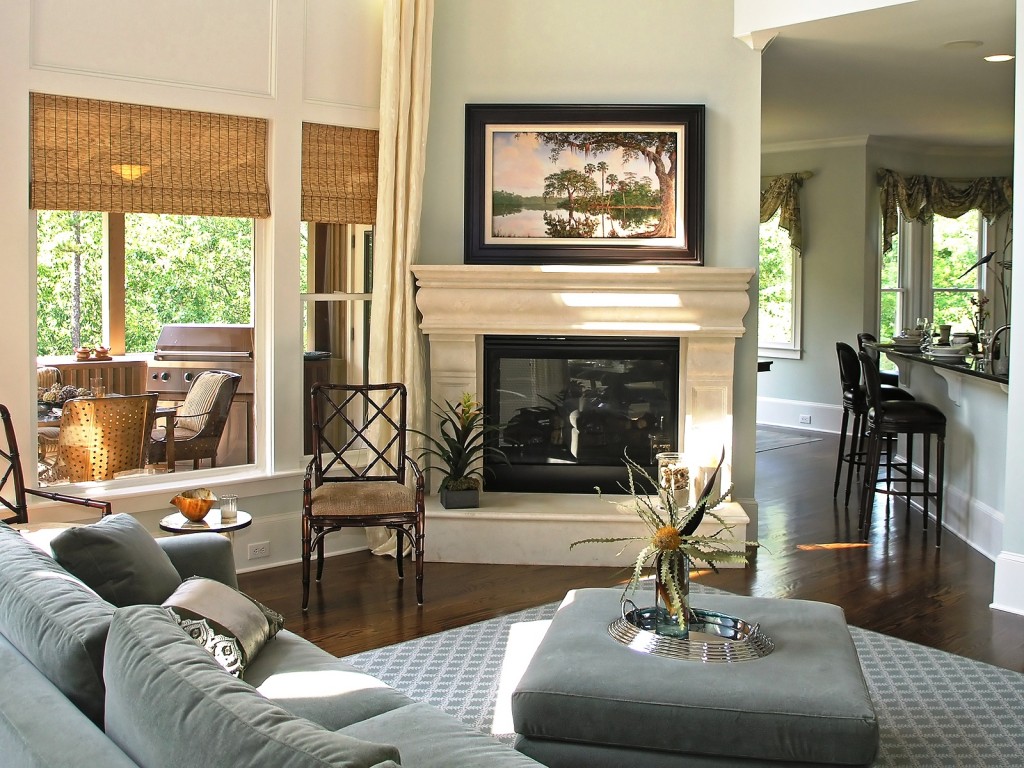
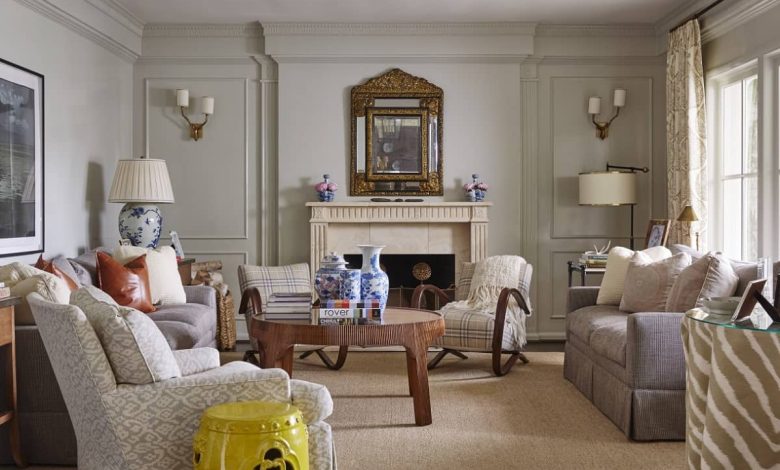
Traditional interiors reflect heritage, symmetry, and refined comfort. Inspired by European influences, this style emphasizes warmth and detail without appearing overly ornate when executed thoughtfully.
Key characteristics include:
- Neutral and muted color palettes
- Symmetrical furniture placement
- Elegant wood finishes
- Decorative moldings and trims
- Layered textiles such as curtains and upholstered seating
Traditional decor works especially well in living rooms, dining areas, and entryways where a welcoming atmosphere is essential.
2. Minimalist Style
Minimalism continues to remain relevant because it prioritizes clarity and functionality over excess decoration. It creates calming environments that feel open and intentional.
Essential elements include:
- Clean architectural lines
- Neutral color schemes
- Limited furniture pieces
- Open floor layouts
- Hidden storage solutions
Minimalist interiors are ideal for urban homes and compact spaces where simplicity enhances comfort.
3. Scandinavian Style
Scandinavian design combines practicality with warmth. Its focus on natural light and comfortable textures makes it timeless across climates and lifestyles.
Defining features include:
- Light wood finishes
- White or soft neutral walls
- Functional furniture
- Cozy textiles and rugs
- Indoor greenery
This style balances simplicity with comfort, making it suitable for both modern and traditional homes.
4. Mid-Century Modern Style
Mid-century modern interiors remain popular because they blend practicality with distinctive character. The style emphasizes geometric forms and natural materials while avoiding clutter.
Common features include:
- Tapered wooden legs on furniture
- Organic shapes and curves
- Warm wood tones
- Functional layouts
- Statement lighting fixtures
Its versatility allows it to integrate easily into contemporary homes.
5. Farmhouse Style
Farmhouse interiors combine rustic charm with everyday practicality. The warmth of natural textures makes this style welcoming across generations.
Signature elements include:
- Natural wood textures
- Neutral color palettes
- Open shelving
- Vintage accessories
- Comfortable seating arrangements
Farmhouse design works particularly well in kitchens and family gathering spaces.
6. Industrial Style
Industrial interiors reflect authenticity and structure. Inspired by converted warehouses, the style highlights raw materials instead of concealing them.
Core characteristics include:
- Exposed brick walls
- Metal fixtures
- Concrete or wooden flooring
- Neutral tones
- Open ceiling structures
Industrial decor pairs effectively with modern and minimalist elements.
7. Transitional Style
Transitional interiors merge traditional elegance with modern simplicity. This balanced approach makes the style adaptable and enduring.
Important design elements include:
- Neutral color palettes
- Simple yet refined furniture
- Mixed textures
- Soft lighting layers
- Clean decorative accents
Because it avoids extremes, transitional decor remains one of the safest long-term design choices.
How to Choose the Right Timeless Style for Your Home
Selecting the best style depends on lifestyle needs, available space, and personal comfort preferences.
Consider these factors before deciding:
- Room size and layout
- Natural lighting availability
- Maintenance requirements
- Existing furniture pieces
- Long-term usability
Combining elements from multiple timeless styles can also create a personalized interior that remains visually balanced.
FAQ Section
1. What makes a decor style timeless instead of trendy
Timeless decor relies on neutral palettes, durable materials, balanced proportions, and practical layouts rather than temporary fashion influences.
2. Can timeless decor styles work in small apartments
Yes, minimalist and Scandinavian styles are especially suitable for smaller spaces because they emphasize openness and functionality.
3. Is it possible to mix two timeless decor styles together
Combining compatible styles such as transitional with traditional or Scandinavian with minimalist often creates visually rich yet balanced interiors.
4. Which colors are considered timeless for interiors
Neutral tones like white, beige, gray, soft taupe, and warm wood shades remain consistently relevant across decades.
5. Are timeless interiors expensive to create
Not necessarily. Choosing quality foundational pieces and layering affordable accessories gradually can achieve a timeless look within budget.
6. How often should timeless interiors be updated
Minor updates every few years through textiles, lighting, and accessories help maintain freshness without altering the core design.
7. What materials last longest in timeless home decor
Natural wood, stone, linen, cotton, leather, and metal finishes tend to remain durable and visually appealing over long periods.