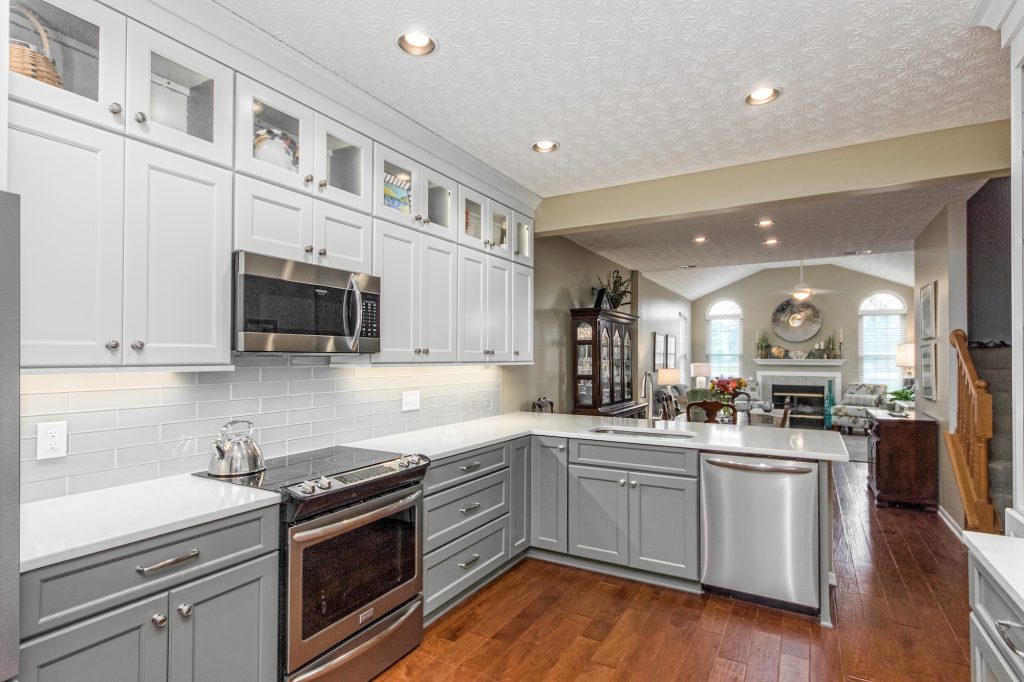
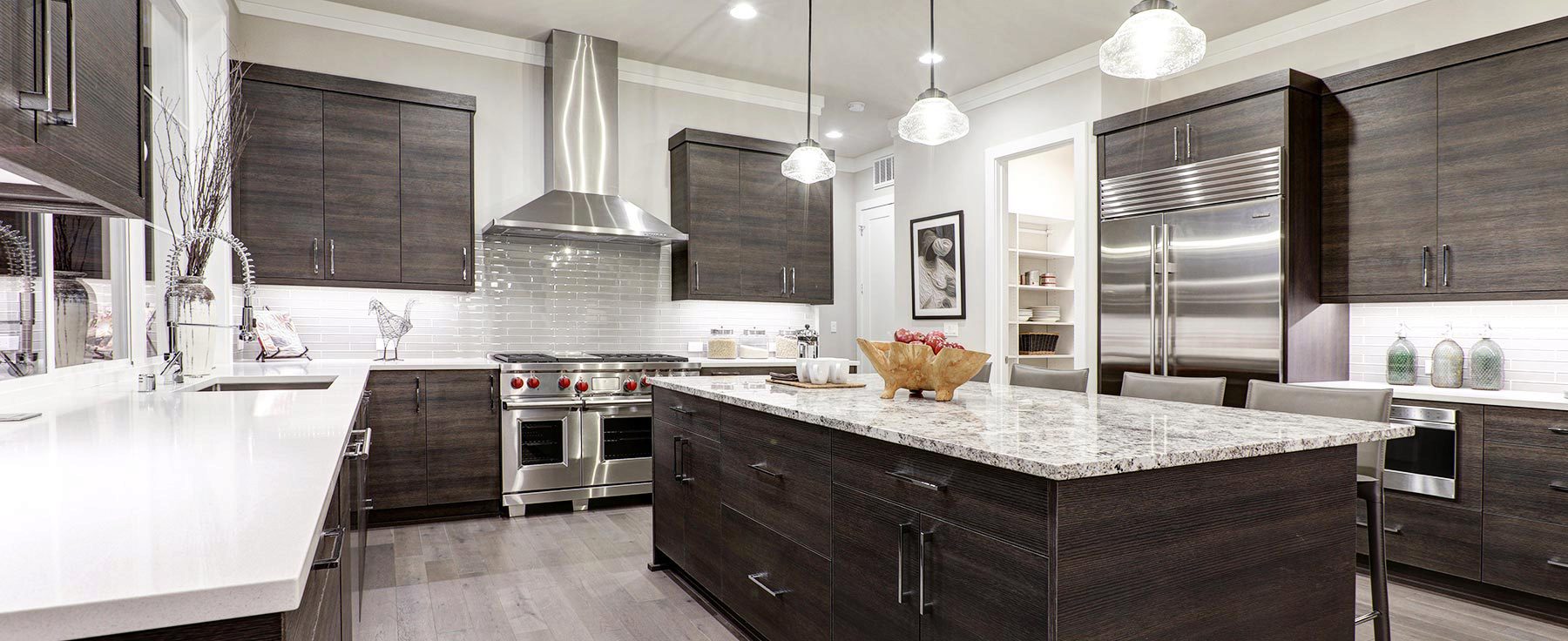
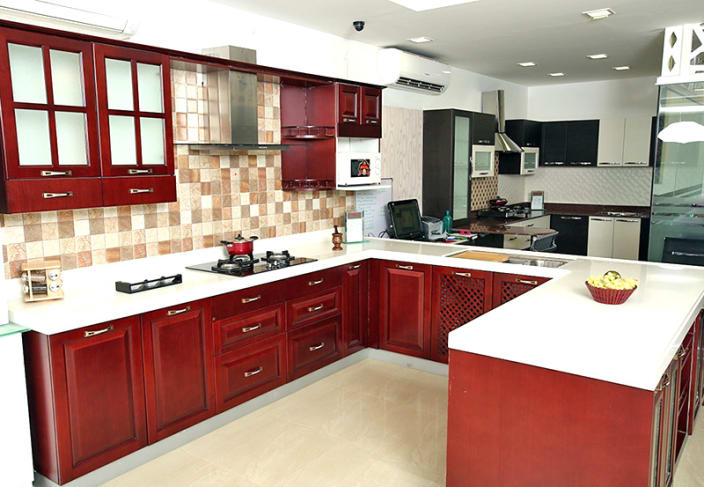
Choosing kitchen cabinets is one of the most important decisions in any kitchen upgrade. Cabinets influence storage efficiency, workflow, durability, and the overall visual identity of the space. A thoughtful selection helps prevent costly replacements later and ensures your kitchen remains practical and attractive for years.
This guide explains how to evaluate cabinet materials, layout compatibility, finishes, storage features, and budget considerations so you can make a confident and informed decision.
Understand Your Kitchen Layout First
Before selecting cabinet styles or finishes, assess your kitchen’s structure and movement flow. Cabinets should support daily cooking habits and available space rather than simply matching a trend.
Key layout types include:
- Straight kitchens for compact homes
- L-shaped kitchens for efficient corner utilization
- U-shaped kitchens for maximum storage and workspace
- Island kitchens for larger open layouts
Measure carefully and plan cabinet placement around:
- Sink position
- Stove and chimney alignment
- Refrigerator clearance
- Natural walking paths
A layout-driven decision prevents storage congestion and improves usability.
Choose the Right Cabinet Material
Cabinet durability largely depends on the base material. Selecting the right one ensures long-term performance in a moisture-prone environment like the kitchen.
Common options include:
Solid Wood
- Strong and long-lasting
- Natural grain enhances aesthetics
- Higher cost compared to engineered boards
Marine Plywood
- Excellent moisture resistance
- Ideal for sink and lower cabinets
- Balanced durability and affordability
MDF
- Smooth surface for painted finishes
- Resistant to cracking
- Less water-resistant than plywood
Particle Board
- Budget-friendly option
- Suitable for dry zones
- Lower lifespan compared to other materials
Marine plywood is widely considered a practical choice for most modular kitchens.
Select a Practical Cabinet Finish
Cabinet finish determines both appearance and maintenance requirements. Choose finishes based on kitchen usage intensity and cleaning habits.
Popular finish choices include:
- Laminate for durability and scratch resistance
- Acrylic for glossy premium appearance
- Membrane for seamless edges
- PU finish for luxury matte or gloss looks
Laminate finishes are often preferred for busy households because they balance style with resilience.
Focus on Smart Storage Features
Efficient storage transforms kitchen cabinets from simple containers into functional systems.
Consider including:
- Pull-out trays for easy access
- Corner carousel units for unused spaces
- Tall pantry cabinets for vertical storage
- Soft-close hinges for quiet operation
- Drawer organizers for utensils
Smart accessories reduce clutter and improve workflow efficiency.
Choose Cabinet Styles That Match Your Interior Theme
Cabinet design should complement the home’s architecture and décor style rather than stand apart from it.
Common cabinet styles include:
Flat Panel Cabinets
Best suited for modern kitchens with clean lines.
Shaker Cabinets
Offer a balanced look suitable for both traditional and contemporary homes.
Glass-Front Cabinets
Enhance visual openness and display selected cookware.
Handleless Cabinets
Create a seamless minimalist appearance.
Selecting a consistent style maintains harmony across the kitchen environment.
Evaluate Hardware Quality Carefully
Cabinet hardware directly affects usability and longevity.
Pay attention to:
- Drawer channels with high load capacity
- Rust-resistant hinges
- Adjustable shelf supports
- Reliable locking mechanisms
Premium hardware ensures smoother daily operation and fewer repairs over time.
Plan Cabinets According to Cooking Habits
Cabinet selection should reflect how frequently and intensively the kitchen is used.
For heavy cooking households:
- Choose moisture-resistant materials
- Install extra ventilation-compatible cabinets
- Prioritize easy-to-clean finishes
For light cooking kitchens:
- Focus more on aesthetics
- Include display shelves
- Consider open storage elements
Matching cabinet configuration to lifestyle improves long-term satisfaction.
Set a Realistic Budget Without Compromising Essentials
Cabinet pricing varies depending on material, finish, accessories, and customization level.
Budget planning should prioritize:
- Core structure quality
- Durable hinges and channels
- Moisture-resistant boards near sink zones
Decorative upgrades can be adjusted later, but structural quality should never be compromised.
Check Installation Quality Before Final Approval
Even high-quality cabinets perform poorly if installed incorrectly.
Inspect:
- Alignment accuracy
- Gap consistency
- Door closing smoothness
- Edge finishing precision
Professional installation ensures cabinets remain stable and functional for years.
Consider Future Maintenance Requirements
Maintenance-friendly cabinets save time and effort in daily cleaning routines.
Look for:
- Scratch-resistant finishes
- Waterproof edge sealing
- Replaceable hardware components
- Easy-access internal layouts
Low-maintenance cabinets help retain their appearance longer.
Frequently Asked Questions
How long do kitchen cabinets typically last
Quality kitchen cabinets made from plywood or solid wood usually last between 15 and 25 years depending on usage and maintenance.
Which cabinet material is best for humid environments
Marine plywood performs best in humid kitchen conditions due to its strong moisture resistance.
Are glossy cabinet finishes harder to maintain
Glossy finishes show fingerprints more easily but are simple to wipe clean with a soft cloth.
Should upper cabinets reach the ceiling
Ceiling-height cabinets maximize storage and prevent dust accumulation on top surfaces.
Is modular cabinetry better than carpenter-built cabinets
Modular cabinets offer faster installation, factory precision, and easier replacement of individual components.
How can I increase storage without expanding cabinet size
Adding pull-out trays, vertical dividers, and corner organizers significantly improves storage efficiency.
What cabinet color works best for small kitchens
Light shades such as white, beige, or soft grey help create a more spacious appearance in compact kitchens.