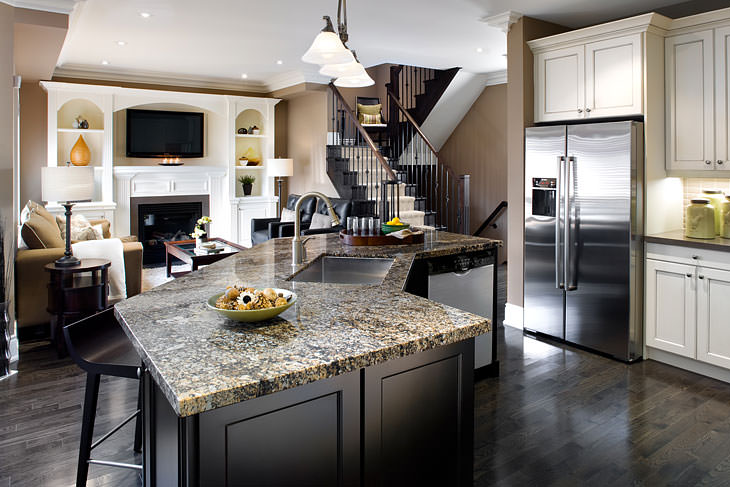
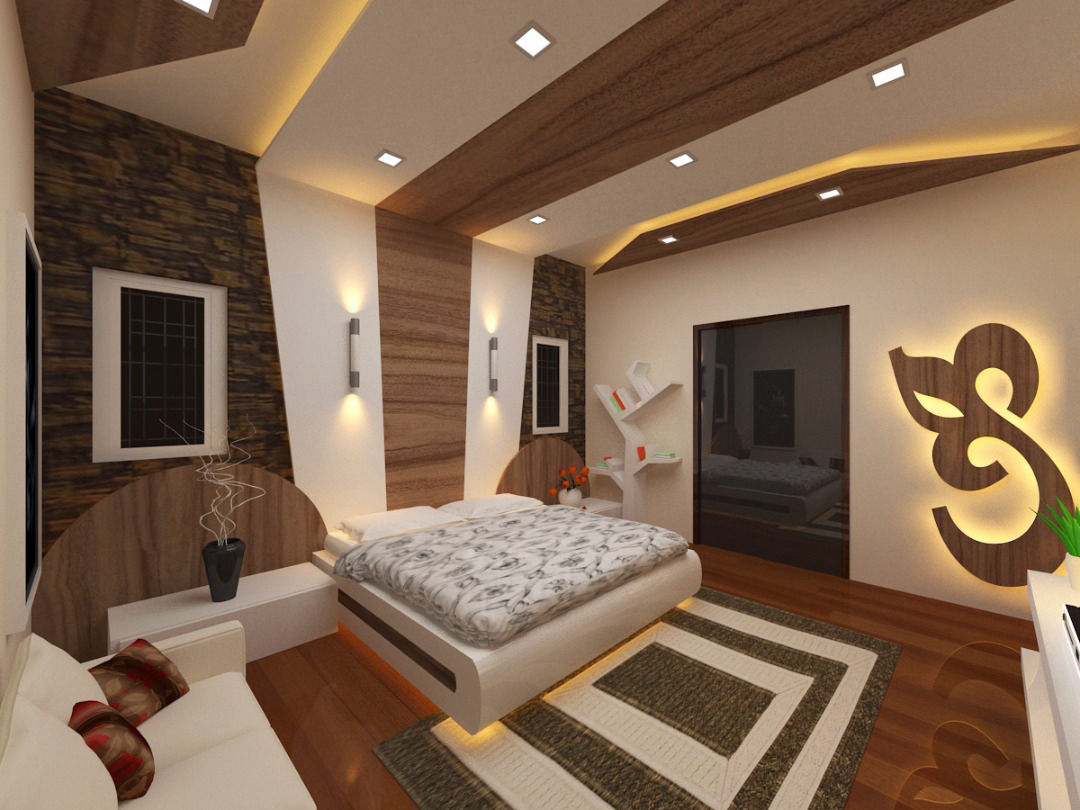
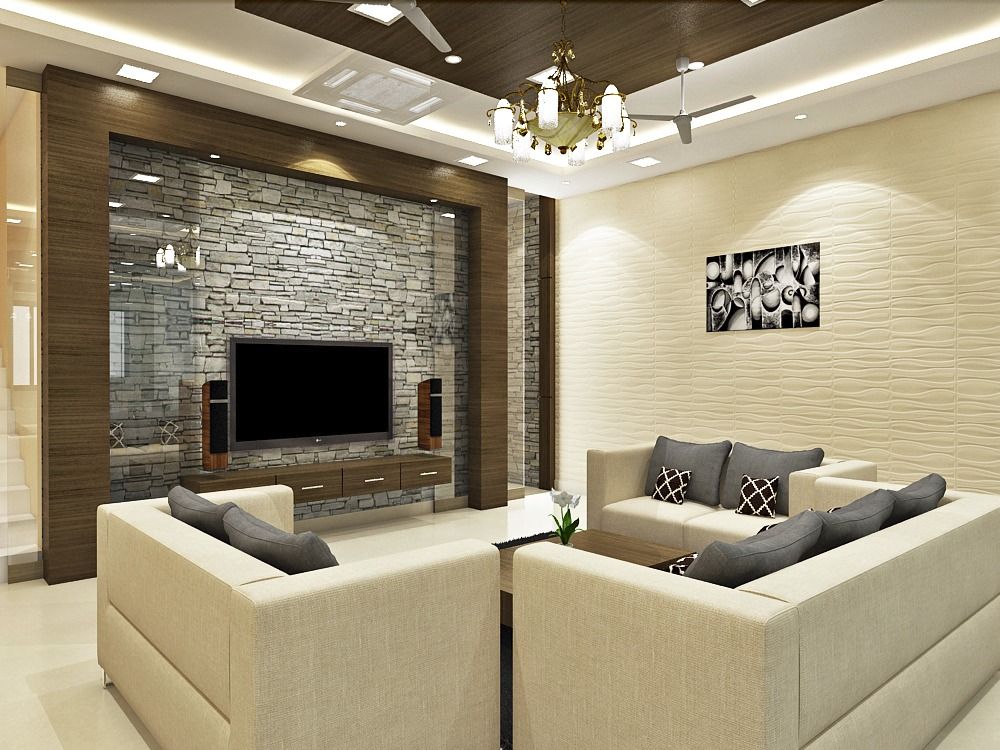
Lighting is one of the most powerful yet often underestimated elements in interior design. It influences how spaces feel, how colors appear, and how comfortably people interact within an environment. Thoughtful lighting choices can elevate a simple room into a visually engaging and functional space without changing its structure or layout.
Interior lighting works as both a practical necessity and a design tool. When planned strategically, it shapes atmosphere, highlights architectural features, and enhances everyday usability.
Why Lighting Matters in Interior Design
Lighting determines how people experience a room the moment they enter it. Even beautifully furnished interiors can feel incomplete if lighting is poorly planned.
Key reasons lighting plays a transformative role include:
- Enhancing visual comfort and usability
- Highlighting textures, artwork, and architectural elements
- Influencing mood and emotional response
- Improving perceived room size and spatial balance
- Supporting daily activities efficiently
Proper lighting creates harmony between function and aesthetics.
The Three Essential Types of Interior Lighting
Successful interiors rely on layered lighting rather than a single source of illumination. Designers typically combine three primary lighting types.
Ambient Lighting
Ambient lighting provides overall illumination for a space. It ensures visibility and establishes the base brightness level.
Common sources include:
- Ceiling-mounted fixtures
- Recessed lights
- Chandeliers
- Cove lighting
This layer sets the tone for the room’s atmosphere.
Task Lighting
Task lighting supports specific activities such as reading, cooking, or working.
Examples include:
- Desk lamps
- Under-cabinet kitchen lighting
- Bedside lamps
- Vanity lights
It improves efficiency and reduces eye strain.
Accent Lighting
Accent lighting highlights decorative features and creates visual interest.
It is often used to emphasize:
- Artwork
- Wall textures
- Shelves
- Indoor plants
- Architectural niches
Accent lighting adds depth and dimension to interiors.
How Natural Light Enhances Interior Spaces
Natural light remains one of the most valuable elements in interior environments. It improves well-being and makes spaces appear larger and more welcoming.
Design strategies that maximize natural light include:
- Installing larger windows
- Using reflective surfaces
- Choosing light-colored walls
- Positioning mirrors strategically
- Avoiding heavy window coverings
Daylight introduces warmth and authenticity that artificial lighting alone cannot replicate.
The Role of Color Temperature in Interior Atmosphere
Color temperature affects how comfortable and inviting a space feels. It is measured in Kelvin and influences mood significantly.
Common lighting tones include:
Warm lighting
Best suited for:
- Living rooms
- Bedrooms
- Dining areas
Creates a cozy and relaxing environment.
Neutral lighting
Ideal for:
- Study areas
- Hallways
- Bathrooms
Maintains balance between warmth and clarity.
Cool lighting
Most effective in:
- Kitchens
- Workspaces
- Commercial environments
Enhances focus and alertness.
Selecting appropriate color temperature ensures each room supports its intended function.
Lighting as a Tool for Visual Space Enhancement
Lighting can visually alter how large or small a room appears.
Designers often use lighting to:
- Make ceilings appear higher using uplighting
- Expand narrow rooms with wall washing techniques
- Emphasize focal points
- Reduce dark corners
- Improve spatial flow
These adjustments create the illusion of openness without structural modifications.
Highlighting Interior Features Through Strategic Lighting
Lighting helps draw attention to the most attractive elements within a space.
Popular highlighting techniques include:
- Spotlights for artwork
- LED strip lighting under shelves
- Wall grazing for textured finishes
- Backlighting decorative panels
These methods introduce layers of sophistication and depth.
Choosing the Right Fixtures for Different Rooms
Selecting appropriate fixtures improves both functionality and visual appeal.
Examples include:
Living room
- Floor lamps
- Pendant lights
- Cove lighting
Kitchen
- Under-cabinet lights
- Pendant lights over islands
- Ceiling-mounted fixtures
Bedroom
- Bedside lamps
- Soft ceiling lighting
- Accent lighting behind headboards
Bathroom
- Mirror lighting
- Waterproof ceiling fixtures
- Soft ambient lighting
Each room benefits from tailored lighting solutions aligned with its purpose.
Smart Lighting and Modern Interior Design
Smart lighting technology has transformed how homeowners interact with interior spaces.
Benefits include:
- Adjustable brightness levels
- Custom lighting schedules
- Remote control via mobile apps
- Energy efficiency improvements
- Scene-setting options for different moods
Smart systems provide flexibility while enhancing convenience and sustainability.
Common Interior Lighting Mistakes to Avoid
Avoiding common lighting errors helps maintain balance and comfort within a space.
Frequent mistakes include:
- Relying on a single ceiling light
- Ignoring layered lighting strategies
- Choosing incorrect color temperature
- Overlooking dimmer controls
- Poor fixture placement
Correcting these issues dramatically improves overall interior quality.
Frequently Asked Questions
How does lighting influence mood in interior spaces
Lighting affects emotional perception by altering brightness levels and color tones. Warm lighting promotes relaxation, while cooler tones improve alertness and concentration.
What is layered lighting in interior design
Layered lighting combines ambient, task, and accent lighting to create a balanced and flexible illumination system suitable for different activities.
Which lighting works best for small rooms
Wall-mounted lights, mirrors, and indirect lighting help make small rooms appear larger and more open.
Is warm or cool lighting better for living rooms
Warm lighting is generally preferred because it creates a comfortable and inviting atmosphere ideal for relaxation.
How can lighting highlight architectural features
Accent lighting such as spotlights and wall grazing techniques can emphasize textures, niches, and structural details effectively.
Are LED lights suitable for residential interiors
LED lights are energy efficient, long lasting, and available in multiple color temperatures, making them ideal for modern interiors.
Can smart lighting reduce electricity consumption
Smart lighting systems allow automation and brightness control, which helps minimize unnecessary energy usage and improves efficiency