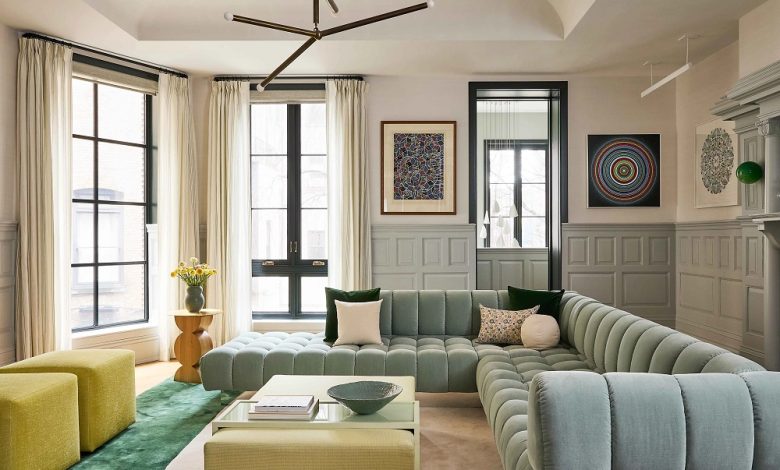
Furniture is more than a functional necessity. It defines spatial character, influences visual balance, and shapes how people experience interiors. From layout planning to material selection, furniture determines whether a space feels refined, inviting, formal, relaxed, or contemporary.
Understanding how furniture contributes to interior aesthetics helps create environments that are both visually appealing and purposeful.
The Role of Furniture in Interior Design Aesthetics
Furniture acts as the foundation of interior styling. It establishes scale, structure, and personality within a room. Designers often begin planning a space by selecting key furniture pieces because they influence nearly every other design decision.
Furniture contributes to aesthetics by:
- Defining the visual identity of a space
- Establishing comfort and usability
- Guiding movement patterns
- Supporting color schemes and textures
- Creating focal points
Well-selected furniture enhances cohesion between architecture and decorative elements.
Furniture as a Tool for Space Planning
Furniture placement determines how efficiently a space functions. Even high-quality decor cannot compensate for poor spatial arrangement.
Effective furniture planning helps:
- Define functional zones in open layouts
- Improve circulation and accessibility
- Maximize usable space
- Reduce visual clutter
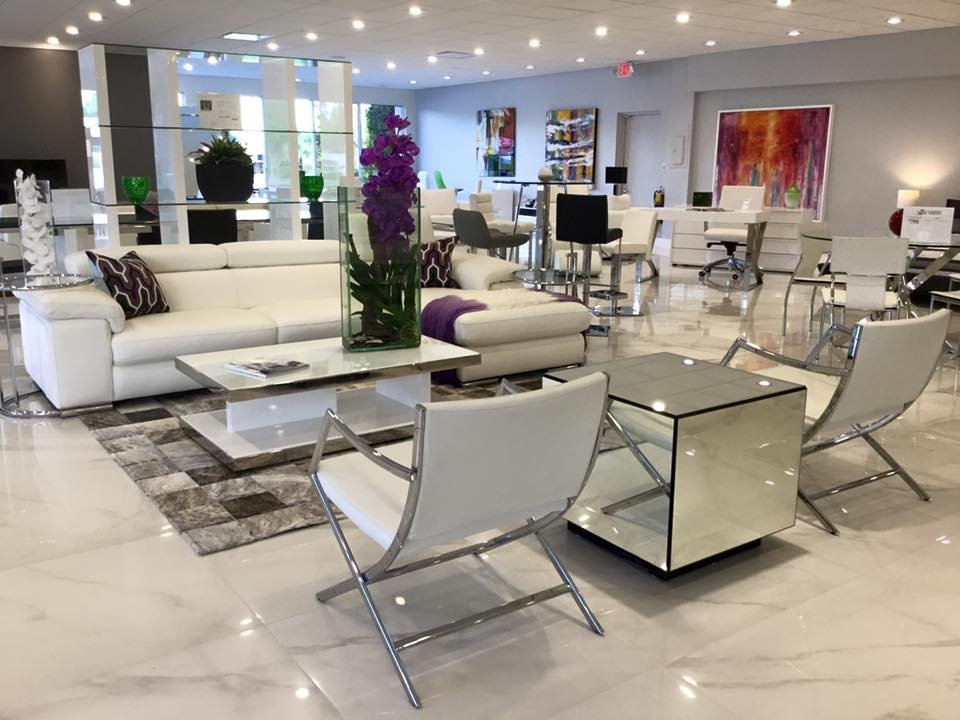
For example, a sectional sofa can separate a lounge area from a dining zone without using walls. Similarly, compact modular furniture improves usability in smaller homes.
Influence of Furniture Style on Interior Character
Furniture style directly shapes the emotional tone of a room. Each style communicates a different design narrative.
Common style influences include:
Modern furniture
- Clean lines
- Neutral palettes
- Minimal ornamentation
- Emphasis on simplicity
Traditional furniture
- Detailed craftsmanship
- Rich wood finishes
- Symmetry and formality
Contemporary furniture
- Smooth surfaces
- Mixed materials
- Flexible layouts
Industrial furniture
- Metal accents
- Raw textures
- Exposed structural elements
Selecting a consistent style ensures harmony across the interior.
Color Coordination Through Furniture Selection
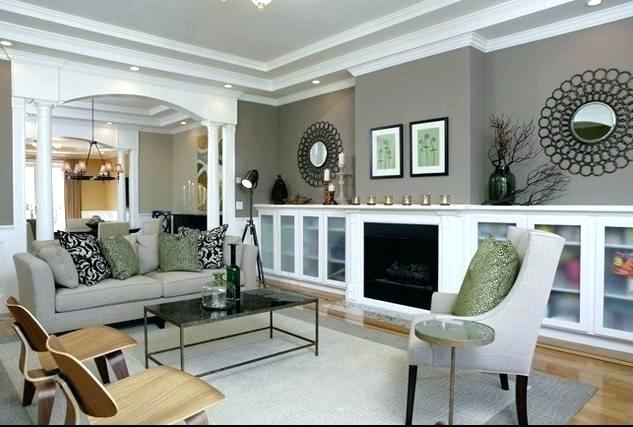
Furniture plays a major role in establishing color balance within interiors. Large furniture pieces such as sofas, beds, and wardrobes often anchor the palette of the entire room.
Strategic color selection helps:
- Create contrast and depth
- Maintain visual continuity
- Highlight focal points
- Support lighting conditions
Neutral furniture works well for long-term flexibility, while accent pieces introduce personality without overwhelming the design.
Material Selection and Texture Enhancement
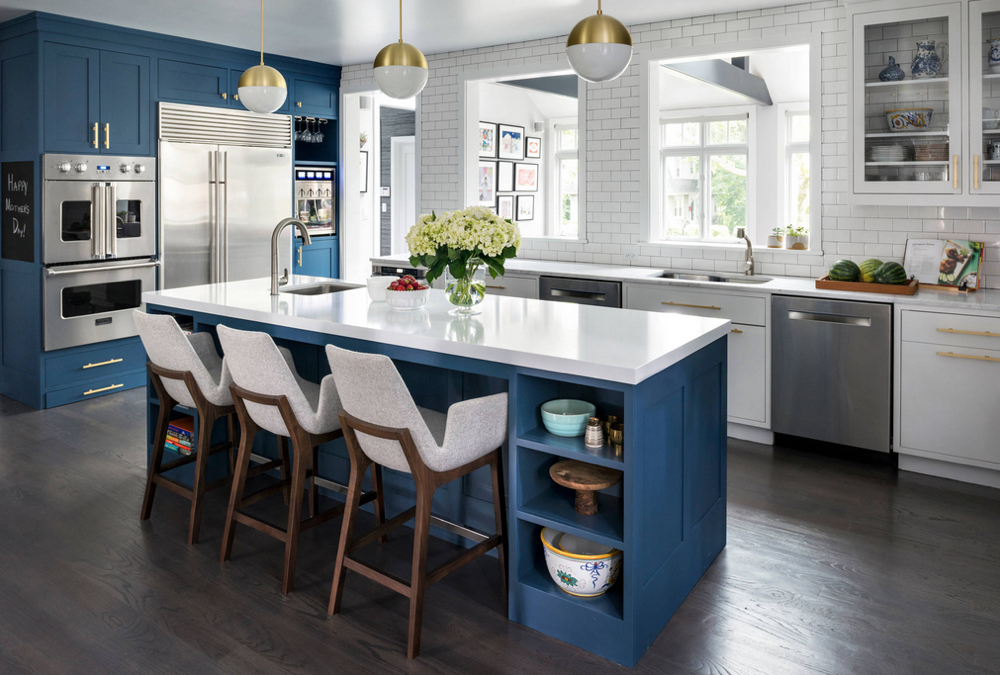
Material choices influence both tactile comfort and visual richness. Combining textures through furniture creates layered interiors that feel complete and engaging.
Popular material combinations include:
- Wood and fabric for warmth
- Metal and glass for modern elegance
- Leather for sophistication
- Cane and linen for relaxed environments
Balanced texture prevents interiors from appearing flat or monotonous.
Scale and Proportion in Furniture Design
Proper furniture scale ensures spatial harmony. Oversized furniture can overwhelm a room, while undersized pieces may appear disconnected from the layout.
Maintaining proportion improves:
- Visual balance
- Comfort levels
- Functionality
- Spatial flow
For example, low-profile furniture enhances the perception of height in compact rooms, while larger statement pieces suit expansive layouts.
Furniture as a Visual Focal Point
Certain furniture pieces naturally attract attention and become defining elements within interiors.
Examples of focal furniture include:
- Statement sofas
- Sculptural chairs
- Designer dining tables
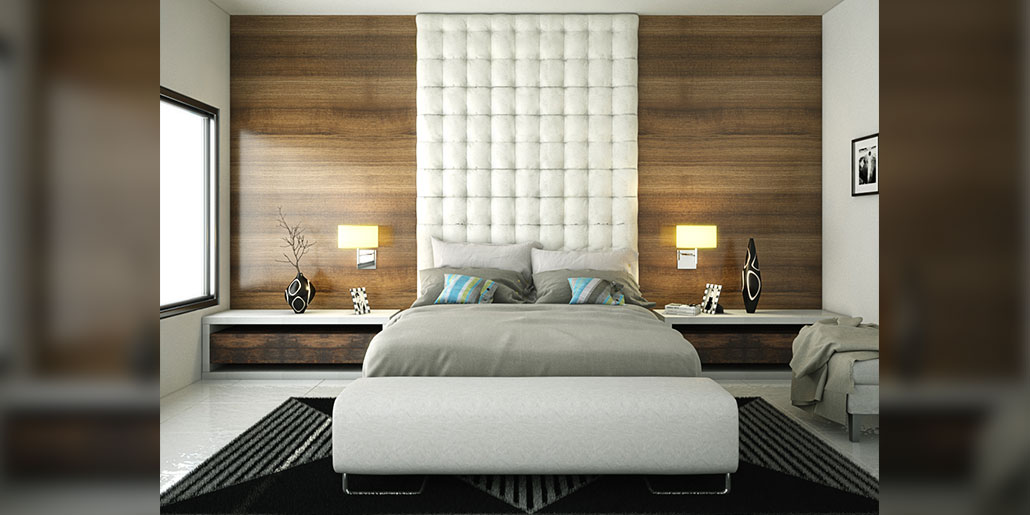
- Upholstered headboards
These pieces anchor the room and guide decorative layering around them.
Enhancing Functionality Without Compromising Aesthetics
Furniture must balance beauty with practicality. Modern interiors increasingly prioritize pieces that offer both visual appeal and multifunctionality.
Examples include:
- Storage beds
- Extendable dining tables
- Modular seating systems
- Foldable workstations
Such furniture improves usability while maintaining aesthetic integrity.
Supporting Lighting and Spatial Perception
Furniture placement influences how light travels through a room. Reflective surfaces, open-frame furniture, and lighter finishes help distribute illumination effectively.
Thoughtful selection can:
- Brighten compact interiors
- Reduce shadow-heavy corners
- Enhance openness
- Improve visibility across zones
This contributes significantly to the perceived size and comfort of a space.
Personal Expression Through Furniture Choices
Furniture reflects lifestyle preferences and personality more strongly than most decorative elements.
Personalized interiors often include:
- Custom-built pieces
- Vintage furniture accents
- Artisan-crafted seating
- Locally sourced materials
Such selections create interiors that feel authentic rather than generic.
Long-Term Impact of Furniture on Interior Value
Furniture influences not only aesthetics but also perceived property quality. Well-coordinated interiors often appear more organized and refined.
High-impact furniture planning contributes to:
- Better resale impressions
- Improved functionality
- Stronger visual identity
- Enhanced everyday comfort
Careful selection supports both immediate appeal and long-term satisfaction.
Frequently Asked Questions
How does furniture affect the mood of an interior space
Furniture influences mood through color, texture, scale, and layout. Soft fabrics create warmth, while sleek materials introduce a refined atmosphere.
Can furniture placement make a room appear larger
Yes. Proper spacing, low-height furniture, and open layouts help create the illusion of a larger interior.
What type of furniture works best for small homes
Compact, multifunctional, and modular furniture helps maximize usability without overcrowding the space.
Should furniture match the architectural style of a home
Matching or complementing architectural elements creates stronger visual harmony and improves overall design coherence.
How often should furniture be updated for aesthetic improvement
Major pieces can remain for years if neutral in style. Updating accent furniture periodically refreshes interiors effectively.
Does furniture texture influence interior design quality
Yes. Combining different textures adds depth and prevents interiors from appearing flat or unfinished.
Is investing in statement furniture worth it
Statement pieces elevate the visual identity of interiors and often become the defining feature of a space.