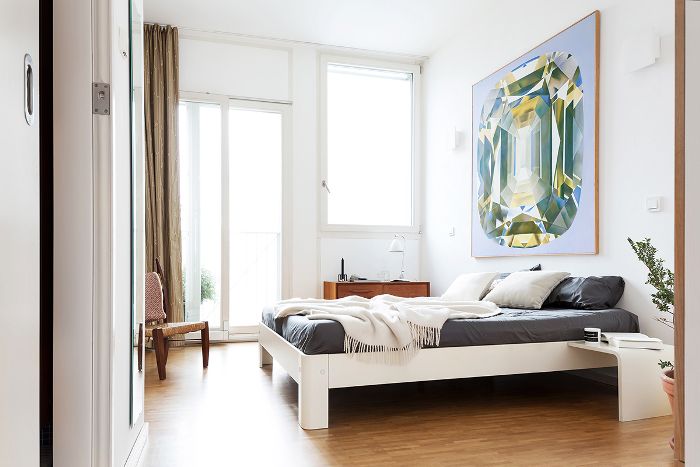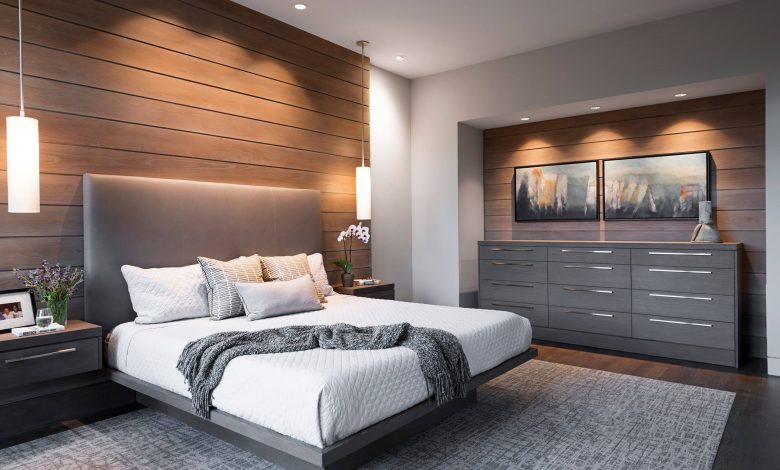
Introduction to the Bedroom
A bedroom is more than just a place to sleep. It is a private retreat that supports relaxation, personal comfort, and emotional well-being. A thoughtfully designed bedroom improves sleep quality, enhances productivity, and creates a peaceful environment for daily recovery.
From layout planning to furniture selection and lighting choices, every detail influences how the space feels and functions. Understanding the essential components of a bedroom helps create a balanced and inviting atmosphere suitable for modern living.
Importance of a Well-Designed Bedroom
A properly organized bedroom contributes to both physical and mental health. Since individuals spend nearly one-third of their lives sleeping, the bedroom environment plays a major role in overall wellness.
Key benefits of a well-planned bedroom include
- Improved sleep quality
- Reduced stress and anxiety
- Better storage organization
- Enhanced comfort and privacy
- Increased aesthetic satisfaction
A comfortable bedroom promotes calmness and supports a healthier lifestyle.
Essential Elements of a Bedroom
Designing a bedroom requires attention to essential elements that support comfort and usability.
Bed
The bed is the centerpiece of the bedroom. Choosing the right mattress and bed frame ensures proper body support and restful sleep. The size should match the available space and user needs.
Common bed sizes include
- Single bed
- Double bed
- Queen size bed
- King size bed
Wardrobe
A wardrobe keeps clothing and personal belongings organized. Built-in wardrobes save space, while freestanding wardrobes provide flexibility.
Bedside Tables
Bedside tables provide convenient storage for everyday items such as books, lamps, and phones. They also improve symmetry in the room layout.
Lighting
Lighting affects both functionality and mood. A bedroom should include
- Ambient lighting for overall brightness
- Task lighting for reading
- Accent lighting for decorative appeal
Storage Solutions
Efficient storage prevents clutter and improves usability. Popular options include
- Under-bed storage drawers
- Wall-mounted shelves
- Storage benches
- Multi-purpose furniture
Choosing the Right Bedroom Layout
A well-planned layout improves movement and accessibility inside the bedroom. The position of the bed should allow easy circulation and visibility of the entrance when possible.
Helpful layout tips include
- Place the bed against a solid wall for stability
- Keep walking paths clear
- Avoid overcrowding with unnecessary furniture
- Maintain symmetry for visual balance
Small bedrooms benefit greatly from vertical storage and compact furniture arrangements.
Bedroom Color Selection and Its Impact
Colors influence mood and comfort levels inside the bedroom. Choosing the right palette helps create a relaxing atmosphere.
Popular bedroom color choices include
- Soft whites for simplicity and brightness
- Light grey for elegance
- Pastel blue for calmness
- Beige tones for warmth
- Earthy shades for grounding effects
Avoid overly bright or intense colors near sleeping areas as they may disrupt relaxation.
Role of Lighting in Bedroom Comfort
Lighting determines the mood and usability of the bedroom. Layered lighting creates flexibility for different activities throughout the day.
Types of lighting recommended for bedrooms include
Ambient Lighting
Provides general illumination across the room.
Examples include ceiling lights and recessed fixtures.
Task Lighting
Supports activities like reading and studying.
Examples include bedside lamps and desk lamps.
Accent Lighting
Highlights decorative features and improves ambiance.
Examples include wall lights and LED strip lighting.
Warm lighting tones are generally preferred for bedrooms because they encourage relaxation.
Bedroom Furniture Selection Tips
Selecting appropriate furniture improves both comfort and space efficiency.
Consider the following while choosing furniture
- Match furniture size with room dimensions
- Prefer multi-functional pieces in smaller rooms
- Choose durable materials
- Maintain consistent design style
- Ensure ergonomic comfort
Minimal furniture often creates a more peaceful bedroom environment.
Storage Ideas for a Clutter-Free Bedroom
Clutter can make a bedroom feel smaller and stressful. Smart storage planning keeps the space neat and organized.
Effective storage ideas include
- Built-in wardrobes with sliding doors
- Under-bed storage boxes
- Floating shelves
- Hidden storage benches
- Wall hooks for accessories
Organized storage supports a calm and functional sleeping environment.
Importance of Ventilation in the Bedroom
Fresh air circulation improves sleep quality and maintains indoor comfort. Bedrooms should include windows or ventilation systems that allow proper airflow.
Benefits of good ventilation include
- Reduced humidity levels
- Improved oxygen circulation
- Prevention of unpleasant odors
- Better indoor air quality
Natural ventilation is always preferable whenever possible.
Personalizing Your Bedroom Space
Personalization transforms a bedroom into a meaningful and comfortable retreat.
Popular personalization ideas include
- Artwork or framed photographs
- Indoor plants
- Decorative cushions
- Area rugs
- Soft curtains matching room colors
Personal elements create emotional comfort and reflect individual personality.
Bedroom Maintenance Tips
Maintaining a clean bedroom improves both hygiene and mental clarity.
Simple maintenance habits include
- Changing bed sheets regularly
- Dusting surfaces weekly
- Organizing wardrobes monthly
- Cleaning floors frequently
- Maintaining proper ventilation
Consistent maintenance helps preserve comfort and cleanliness over time.
Frequently Asked Questions About Bedrooms
1. What is the ideal direction to place a bed in a bedroom
The bed should ideally be placed against a solid wall with a clear view of the entrance. This arrangement improves comfort and spatial awareness.
2. How often should bedroom bedding be changed
Bedsheets should typically be changed once every week to maintain hygiene and comfort.
3. What type of mattress is best for a bedroom
A medium-firm mattress is generally recommended because it provides balanced support and comfort for most sleepers.
4. How can a small bedroom look more spacious
Use light colors, mirrors, compact furniture, and vertical storage solutions to create the illusion of more space.
5. Are indoor plants suitable for bedrooms
Yes, certain indoor plants improve air quality and add visual freshness to the bedroom environment.
6. What lighting color is best for sleeping comfort
Warm white lighting supports relaxation and helps prepare the body for sleep.
7. How can noise be reduced inside a bedroom
Using curtains, rugs, upholstered furniture, and sealed windows can significantly reduce external noise levels.