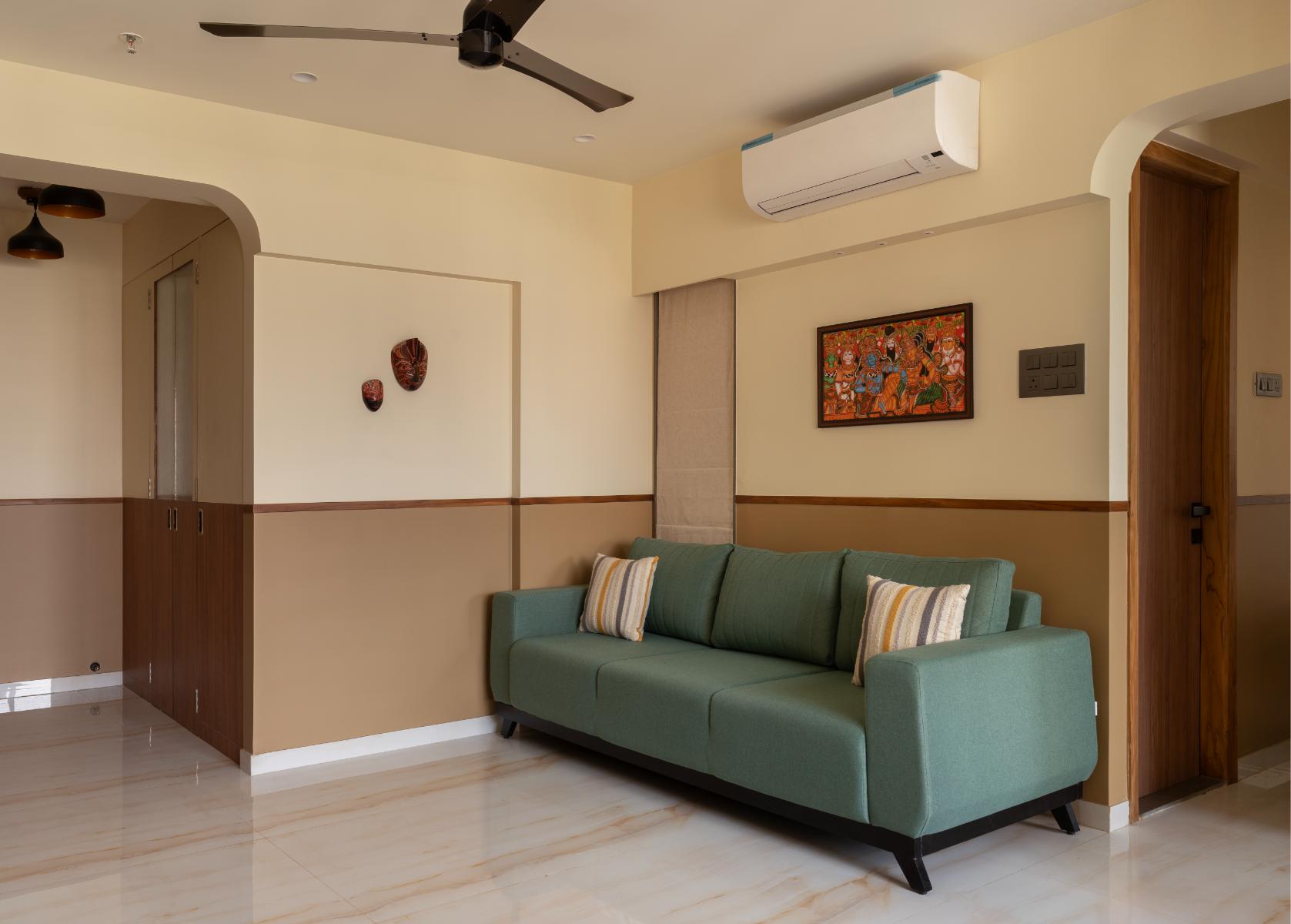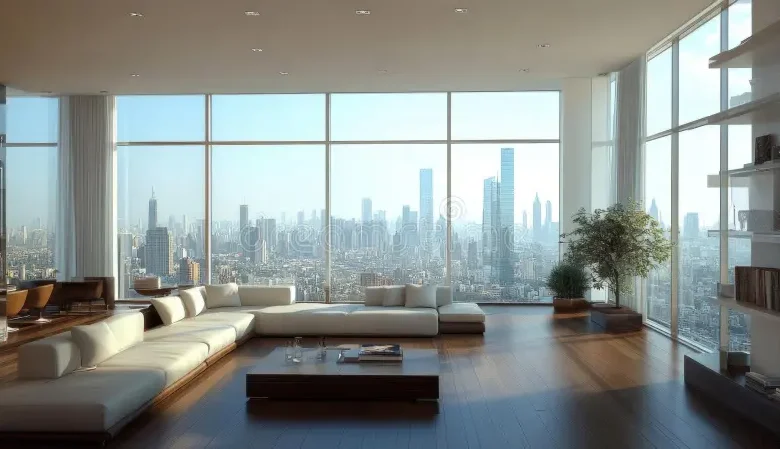
An apartment is a self-contained residential unit within a larger building designed for multiple households. It has become one of the most popular housing choices worldwide, especially in urban areas where land availability is limited and lifestyle convenience matters.
Apartments vary widely in size, layout, ownership structure, and amenities. From compact studio spaces to luxury penthouses, they serve individuals, families, professionals, and investors alike.
This guide explains everything you need to know about apartments, including types, advantages, considerations before buying or renting, and their role in modern housing.
What Is an Apartment
An apartment is a private living space inside a multi-unit residential building. Each unit typically includes:
- Bedroom or sleeping area
- Kitchen space
- Bathroom
- Living area
Unlike standalone houses, apartments share common infrastructure such as staircases, elevators, corridors, parking areas, and sometimes recreational facilities.
Apartments may be rented or owned depending on the housing arrangement.
Types of Apartments
Different apartment types are designed to meet varied lifestyle needs.
Studio Apartment
A studio apartment combines living room, bedroom, and kitchen into one open space. It is ideal for:
- Students
- Working professionals
- Individuals living alone
One Bedroom Apartment
This apartment includes a separate bedroom along with a living room and kitchen. It offers better privacy than studio layouts.
Two or Three Bedroom Apartment
Suitable for families, these apartments provide multiple bedrooms and larger living areas.
Duplex Apartment
A duplex apartment has two floors connected internally by stairs. It provides a house-like experience within a building.
Penthouse Apartment
Located on the top floor, penthouses are considered premium units offering:
- Larger floor space
- Private terraces
- Better views
- Exclusive amenities
Advantages of Living in an Apartment
Apartments offer several benefits compared to independent houses, especially in cities.
Efficient Use of Space
Urban land is limited. Apartments allow more people to live comfortably within smaller areas while maintaining access to essential facilities.
Security Features
Most apartment complexes provide:
- Security guards
- CCTV surveillance
- Controlled entry points
This improves safety for residents.
Maintenance Support
Apartment communities usually manage:
- Water supply
- Waste disposal
- Elevator maintenance
- Common area cleaning
This reduces personal responsibility for upkeep.
Access to Amenities
Many modern apartments include shared lifestyle features such as:
- Gym facilities
- Parking areas
- Playgrounds
- Community halls
- Swimming pools
These amenities improve overall living quality.
Better Urban Connectivity
Apartments are often located close to:
- Public transportation
- Schools
- Hospitals
- Offices
- Shopping centers
This convenience saves time and travel effort.
Disadvantages of Apartment Living
Despite many benefits, apartments may not suit everyone.
Limited Privacy
Shared walls and common spaces can reduce personal privacy compared to independent homes.
Restrictions from Housing Associations
Residents may need to follow building regulations related to:
- Renovations
- Noise levels
- Parking usage
- Pet ownership
Monthly Maintenance Charges
Apartment owners usually pay maintenance fees for common facilities and services.
Apartment Ownership vs Renting
Understanding the difference helps people choose the right housing option.
Buying an Apartment
Ownership offers long-term advantages such as:
- Property value appreciation
- Permanent residence stability
- Freedom to modify interiors
- Investment opportunities through rental income
However, buying requires significant financial planning.
Renting an Apartment
Renting provides flexibility for people who:
- Relocate frequently
- Work in transferable jobs
- Prefer lower initial costs
It allows lifestyle mobility without long-term commitment.
Factors to Consider Before Choosing an Apartment
Selecting the right apartment requires careful evaluation.
Location
Check whether the apartment is close to essential services like:
- Schools
- Hospitals
- Markets
- Transportation routes
Location strongly affects property value and convenience.
Budget Planning
Consider all costs involved:
- Purchase price or rent
- Registration charges
- Maintenance fees
- Utility expenses
A realistic budget prevents financial strain.
Builder Reputation
Verify the track record of the developer. Reliable builders ensure better construction quality and legal compliance.
Legal Documentation
Before purchasing, confirm:
- Property title clarity
- Building approvals
- Completion certificate
- Occupancy certificate
Legal verification protects buyers from future disputes.
Infrastructure and Amenities
Evaluate whether the apartment provides necessary facilities suited to your lifestyle.
Apartment Lifestyle in Modern Cities
Urban populations are increasing rapidly. Apartments support this growth by offering organized housing within limited space.
Modern apartment living encourages:
- Community interaction
- Efficient infrastructure use
- Reduced travel distances
- Access to shared recreational facilities
These benefits make apartments a practical housing solution for contemporary city life.
Investment Potential of Apartments
Apartments are widely considered reliable real estate investments.
They offer advantages such as:
- Rental income opportunities
- Long-term appreciation
- High resale demand in urban areas
- Lower entry cost compared to independent houses
Investors often prefer apartments in developing neighborhoods where infrastructure improvements increase future property value.
Maintenance Responsibilities in Apartments
Maintenance responsibilities are usually divided between residents and management bodies.
Residents handle:
- Interior repairs
- Appliance maintenance
- Utility payments
Housing societies manage:
- Security systems
- Elevators
- Common lighting
- Landscaping
- Waste management
This shared responsibility simplifies property upkeep.
Future Trends in Apartment Living
Apartment design continues evolving with changing lifestyles.
Emerging trends include:
- Smart home integration
- Energy-efficient construction
- Compact modular layouts
- Sustainable building materials
- Community-focused architecture
These developments improve comfort while reducing environmental impact.
Frequently Asked Questions About Apartments
What is the difference between an apartment and a flat
In many countries the terms apartment and flat are used interchangeably. However apartment is more commonly used in international contexts, while flat is widely used in British English and South Asian regions.
Are apartments suitable for long term living
Yes apartments are suitable for long term living especially when located in well planned residential complexes with essential services nearby.
How do maintenance charges work in apartments
Maintenance charges are collected monthly or annually to cover common area services such as cleaning security elevators and facility upkeep.
Can apartments be customized internally after purchase
Interior modifications are usually allowed but structural changes may require approval from housing authorities or management associations.
Is buying an apartment a good investment option
Apartments are considered stable investments in growing urban areas due to consistent demand and rental income potential.
What documents should be checked before purchasing an apartment
Important documents include property title approvals occupancy certificate completion certificate and builder agreements.
Do apartments provide better security than independent houses
Most apartment complexes offer enhanced security through controlled access surveillance systems and onsite guards which improves overall resident safety.